

Skip to Content
← All articles

ENDI AIR

Before accepting a container, record what is being delivered

The container arrives, the driver is waiting and the site team wants to start work. A short, prepared checklist helps keep the handover useful. The objective is to establish a record of the delivered equipment and the information available about its suitability for the agreed use.

Explore the diagram ↓

SEE THE CONNECTIONS

From the field to the full picture

Container handover: identity, condition, recordIdentity and documents, visual inspection and agreed operational checks converge into the container handover record. Container handover: identity, condition, record Process / action Data / record Event / condition The specific container And intended use Identity and documents Match the order Visible condition Contextual photographs Operational checks Within agreed scope Handover record Findings and reservations A CSC plate alone does not establish current condition or suitability for every cargo. AIR-02 · ENDI · Conceptual illustration

Diagram components and their connections. Links indicate continuation, branches or return paths.

  1. The specific container — And intended use

  2. Identity and documents — Match the order

  3. Visible condition — Contextual photographs

  4. Operational checks — Within agreed scope

  5. Handover record — Findings and reservations

Identity and documents, visual inspection and agreed operational checks converge into the container handover record.

A CSC plate alone does not establish current condition or suitability for every cargo.

Container handover: identity, condition, record

Identity and order details

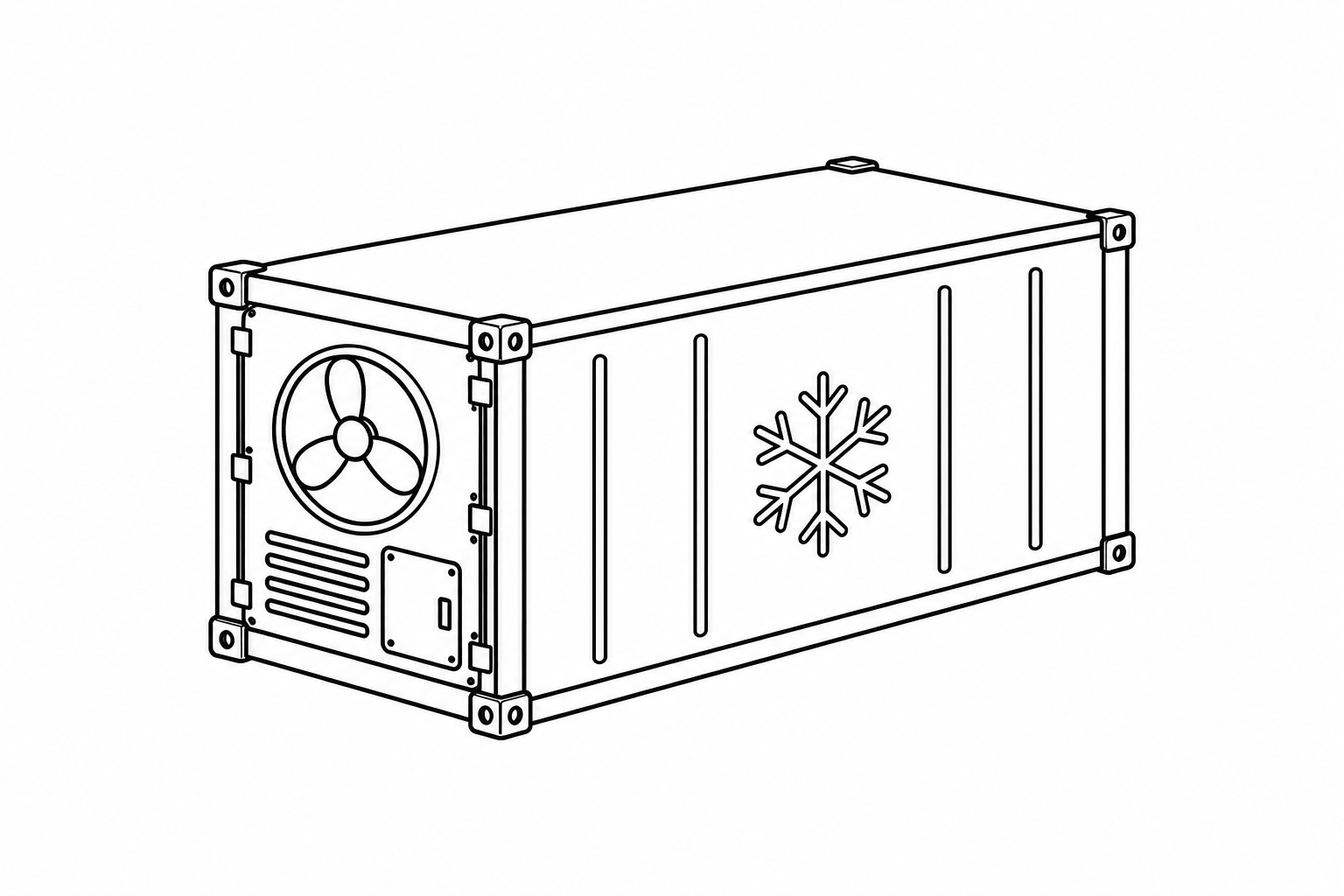
Match the container number to the order and delivery documents. Check the agreed type, dimensions and features. A reefer unit has its own model and serial number; the container number does not replace that information.

Define whether the equipment is intended for static storage, transport or another purpose. Suitability for one application should not be assumed to establish suitability for another.

Look, photograph and describe

Record accessible walls, corners, doors and floor, and the roof only where it can be examined safely. Take overall views as well as close-ups. A useful defect record identifies location and extent rather than simply saying “damaged”.

Review visible seals, closure, cleanliness, unusual odours and moisture. For a reefer, include accessible insulation, T-floor and refrigeration-unit observations. An ordinary handover check should not require removing covers or climbing onto the container.

Add operational evidence for reefers

Ask what checks were completed, when and under which conditions. A lit display alone does not establish suitability for the planned cargo or operating conditions. Electrical connection and professional operating checks need the appropriate authorised people.

Separate visual findings, completed operating tests and matters not examined. This lets the person making the acceptance decision understand the limits of the record.

The role of a CSC plate

Containers within the CSC framework have safety-approval and maintenance/examination requirements. Plate and examination information does not replace assessment of present condition or commercial suitability. See the official IMO overview in the sources.

Handover checklist

Record the container and unit identities, order match, dated photographs, documents actually received, outstanding questions and the person responsible for resolving them. Record the acceptance decision according to the organisation's procedure and contractual arrangements.

Is a good exterior enough? It does not answer every structural, operational or commercial question. A professional survey can be scoped to the decision required.

Should a defect be repaired immediately? Document it and agree responsibility first. Early alteration can make the delivered condition harder to establish.

Arrange a container inspection or survey with ENDI AIR before acceptance, purchase or rental.

Need advice for your application?

Talk to our team

Choose which services to allow. Closing without saving keeps your previous choice; first visits use essentials only.

Cookie categories

Security, sign-in, website language and privacy choices. Required for the service you request.

Usage measurement and third-party content, when configured on the website. This choice covers the group together and does not subscribe you to marketing messages.

Your choice is stored in this browser for 180 days. Changing optional-service permission reloads the page to apply it.

Cookie policy

Accessibility settings

Adjust the display to your needs. Preferences are stored in this browser and can be reset at any time.

Text size
100%

Use Tab and Shift+Tab to move between controls; Escape to close. Your device's reduced-motion preference still applies after reset. Browser zoom remains available.

Skip to main content

Accessibility statement · Report an accessibility issue