
Skip to Content
← All articles

Illustrative use cases

From cold-room mapping to a justified monitoring location

Illustrative use case — not a documented customer project or ENDI performance result.

Explore the diagram ↓

SEE THE CONNECTIONS

From the field to the full picture

From a cold room to a reasoned monitoring pointIllustrative scenario: room layout and loggers lead to findings review and a reasoned permanent monitoring position. Not a customer project. From a cold room to a reasoned monitoring point Process / action Data / record Event / condition 1 · Room layout And study objective 2 · Logger deployment Link place and time 3 · Review findings And recorded events 4 · Professional decision Rationale and limitations 5 · Permanent monitoring Match the system identity Illustrative use case only — no customer, measurements or project outcomes. CASE-01 · ENDI · Conceptual illustration

Diagram components and their connections. Links indicate continuation, branches or return paths.

  1. 1 · Room layout — And study objective

  2. 2 · Logger deployment — Link place and time

  3. 3 · Review findings — And recorded events

  4. 4 · Professional decision — Rationale and limitations

  5. 5 · Permanent monitoring — Match the system identity

Illustrative scenario: room layout and loggers lead to findings review and a reasoned permanent monitoring position. Not a customer project.

Illustrative use case only — no customer, measurements or project outcomes.

From a cold room to a reasoned monitoring point

Starting point

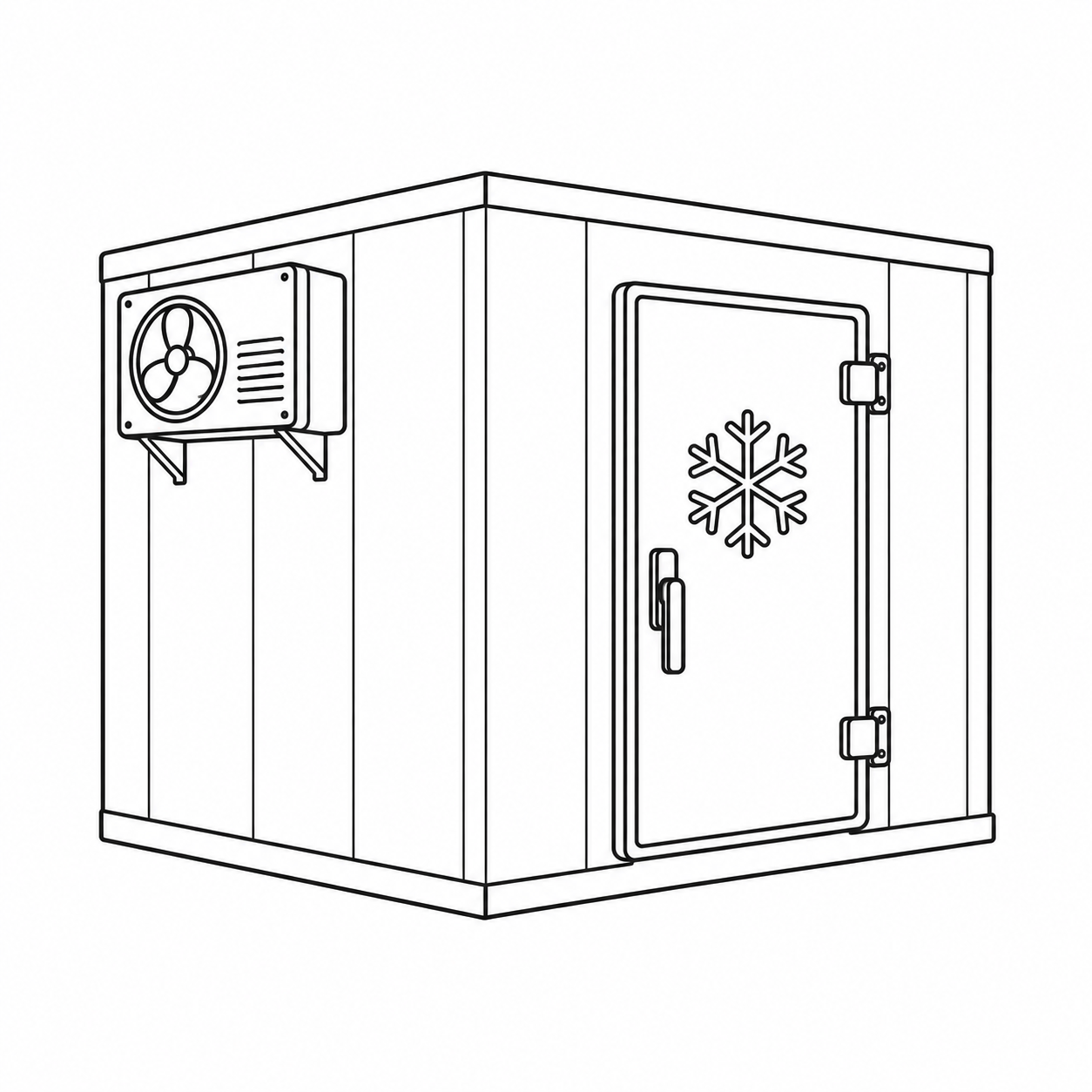
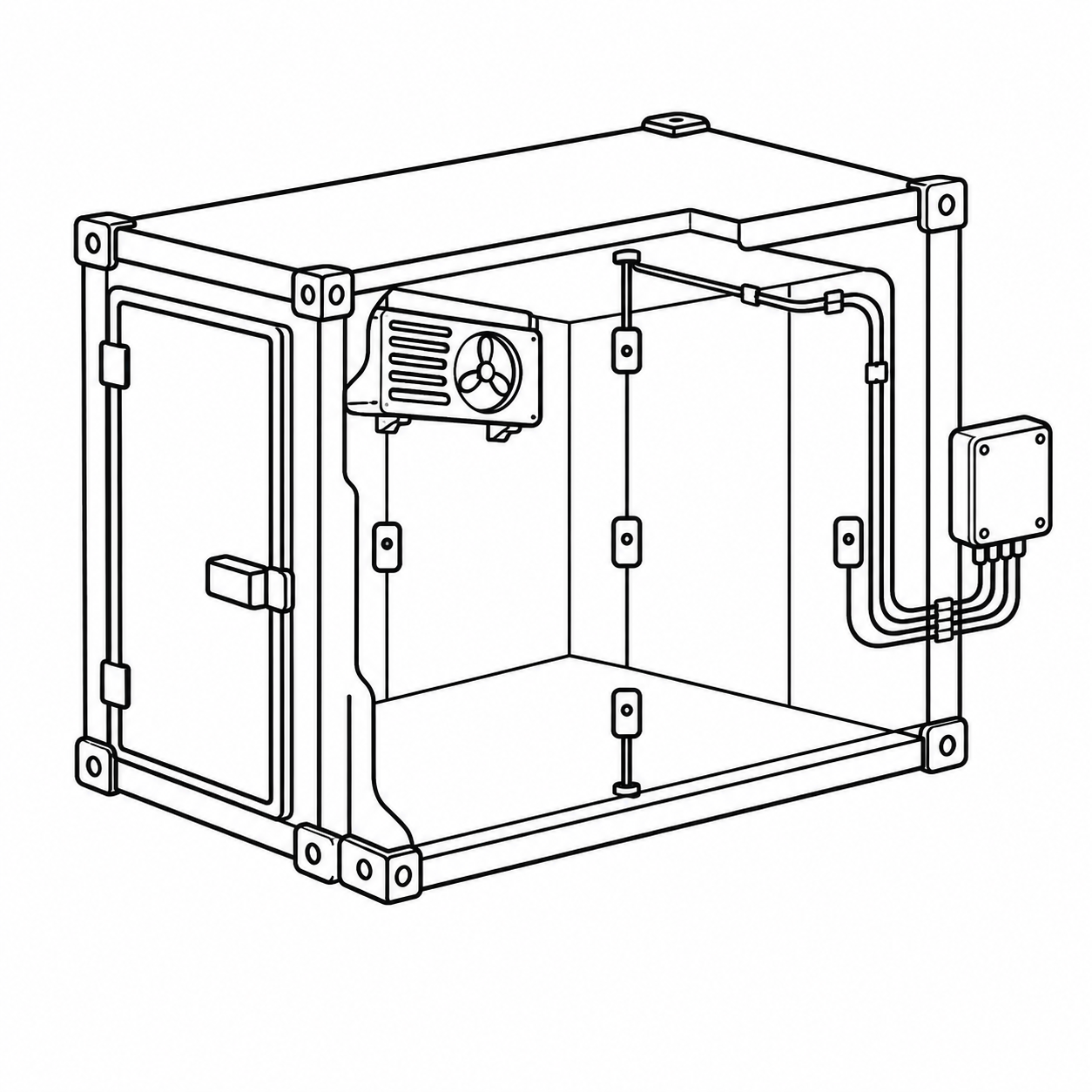
Consider a cold room with shelving, an active door and a controller display near the entrance. The site manager wants permanent monitoring but does not want to choose a sensor position simply because installation is convenient.

Challenge

The available information does not yet describe differences across the storage areas under relevant conditions. Another measurement at a convenient point may leave the actual monitoring objective unresolved.

Proposed approach

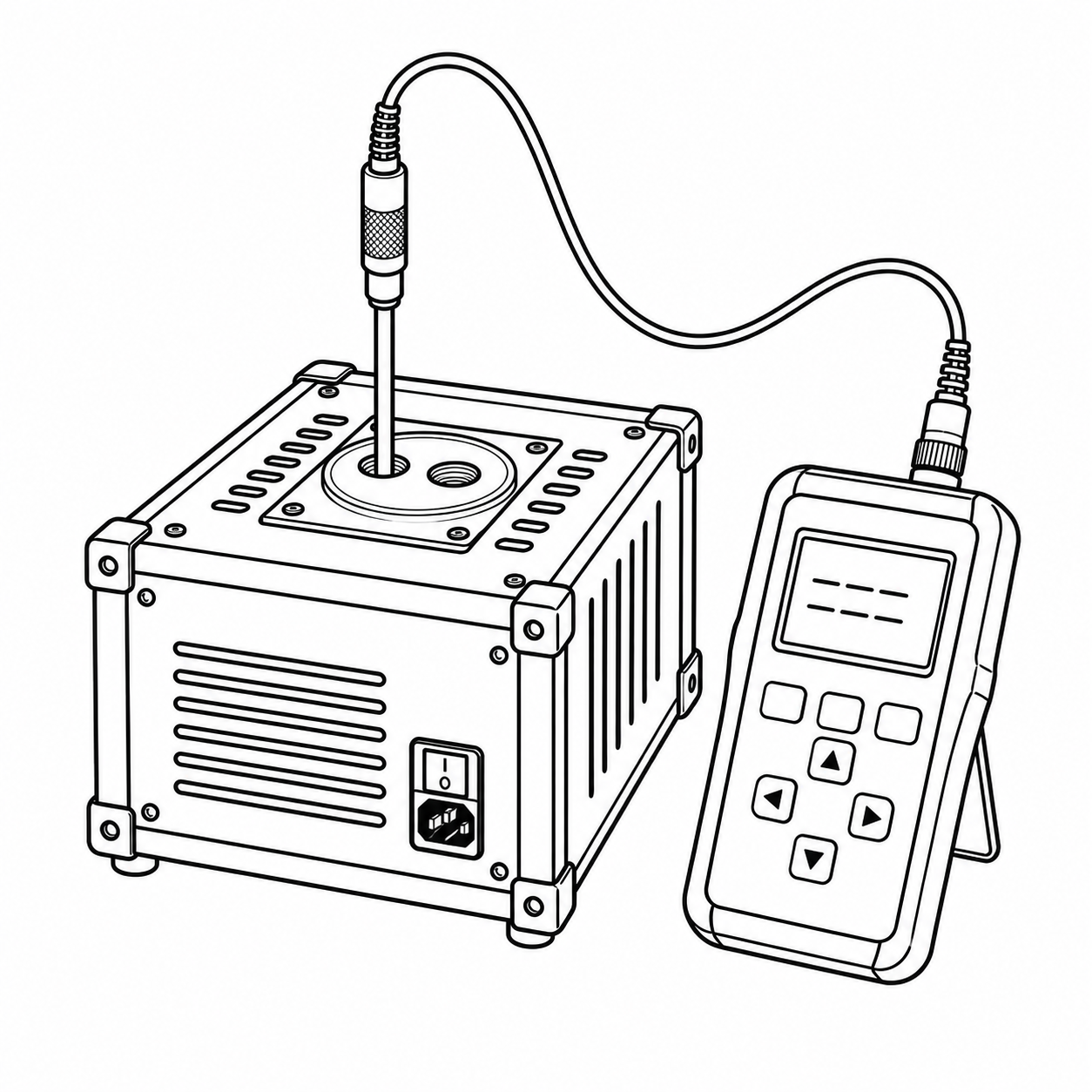
Begin with a room layout and an account of daily activity. Define the study objective, included conditions and exclusions with the responsible specialist. Plan the mapping exercise, identify the loggers and link each one to a documented position.

Record relevant operational events alongside the measurements. During review, connect location, time and context using the same room layout. The points in the accompanying diagram are explanatory symbols, not a recommended logger count.

Decision point

Do not automatically equate the warmest observed location with the final monitoring position. Consider findings alongside the objective, operating conditions and professional requirements. An operating change, more measurement points or further investigation may be appropriate.

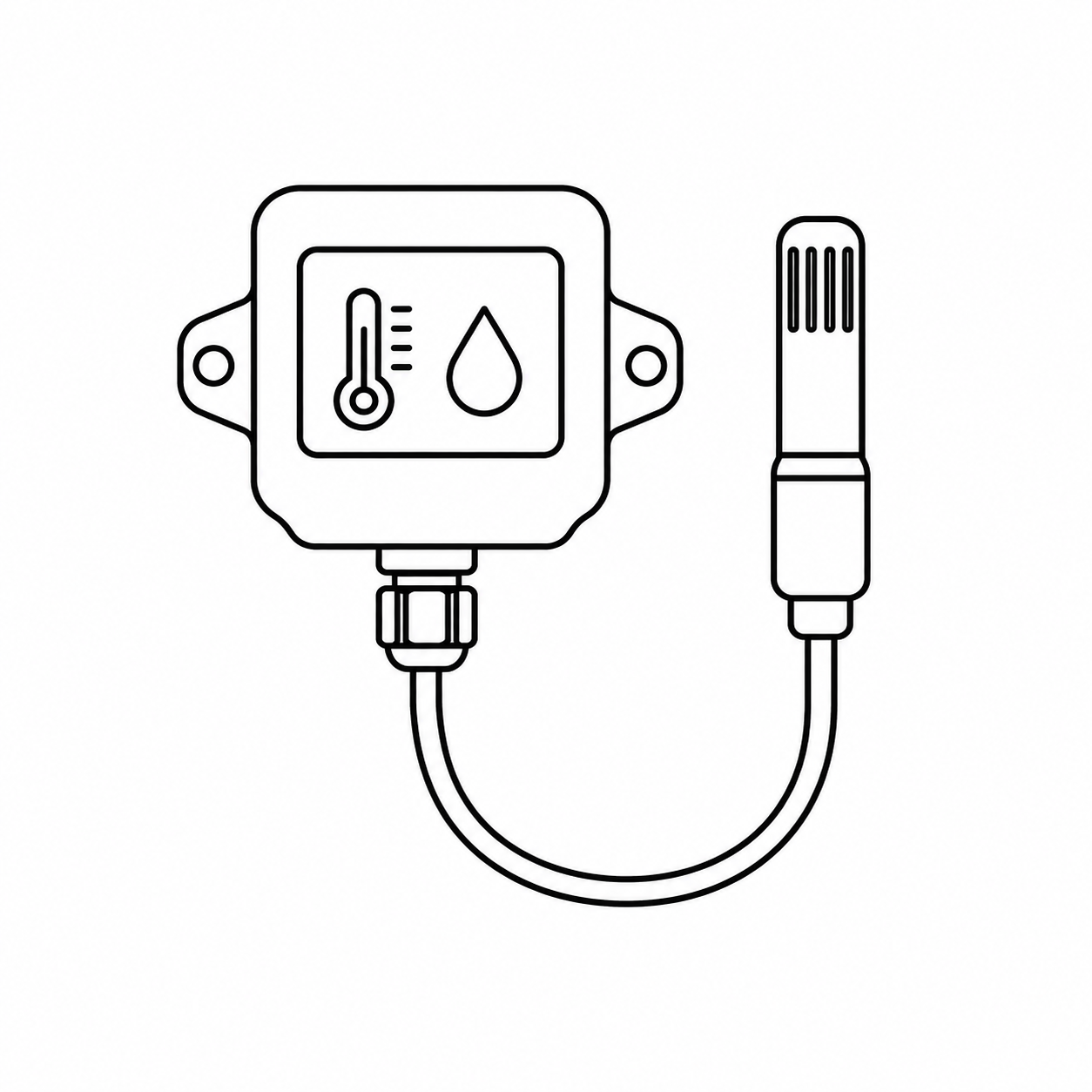
Record the selected position, rationale, limitations and approval. When permanent monitoring is installed, verify that the sensor identity on screen matches the intended physical location and that readings arrive correctly.

Intended deliverables

The desired result is a linked room/logger/record map, findings interpreted with event notes, a reasoned monitoring decision and triggers for reassessment after relevant changes. This scenario provides no temperature results, improvement percentages or claim of compliance.

In a documented customer story, the approved findings and decision evidence would be added before publication. Here the purpose is to explain how the pieces of work connect.

Value for the team

Operations can identify the storage area, quality can inspect the decision basis and service can identify the physical sensor. Shared location identities reduce ambiguity between separate lists.

Does mapping replace routine monitoring? No. It supports design decisions; routine measurements belong to an ongoing process.

Plan temperature mapping and cold-room monitoring around a clear study objective.
Need advice for your application?

Talk to our team

Choose which services to allow. Closing without saving keeps your previous choice; first visits use essentials only.

Cookie categories

Security, sign-in, website language and privacy choices. Required for the service you request.

Usage measurement and third-party content, when configured on the website. This choice covers the group together and does not subscribe you to marketing messages.

Your choice is stored in this browser for 180 days. Changing optional-service permission reloads the page to apply it.

Cookie policy

Accessibility settings

Adjust the display to your needs. Preferences are stored in this browser and can be reset at any time.

Text size
100%

Use Tab and Shift+Tab to move between controls; Escape to close. Your device's reduced-motion preference still applies after reset. Browser zoom remains available.

Skip to main content

Accessibility statement · Report an accessibility issue