ENDI Laboratory
Temperature mapping and validation
Look beyond a reading at one point. Understand how temperature changes across locations and over time, then relate the findings to operating conditions and defined requirements.
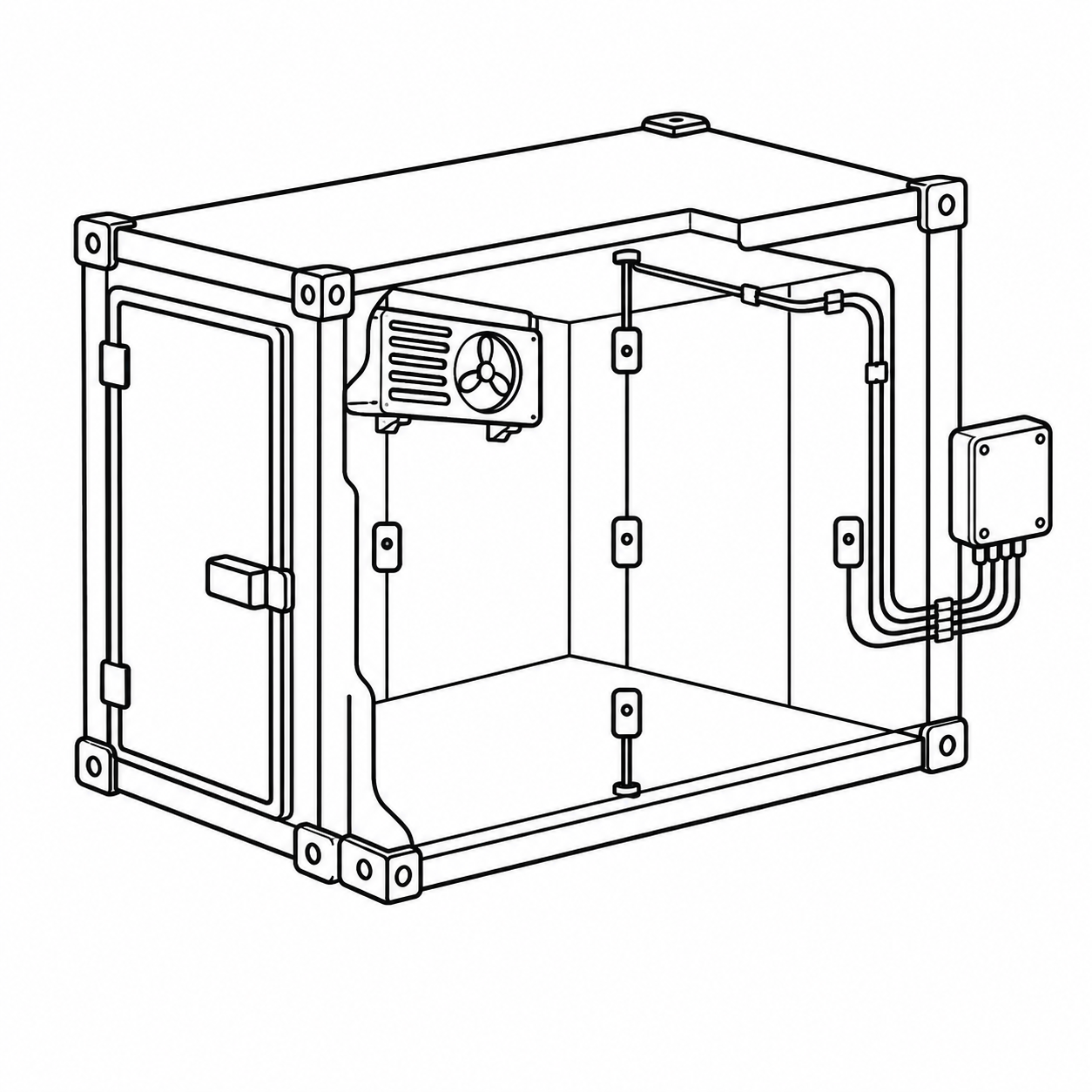
What happens throughout the space?
A control sensor describes its own location. Conditions can differ near a door, cooling equipment, at different heights or between shelves. Mapping examines distribution in a cold room, store or controlled equipment using an agreed measurement plan.
- Doors and operating areas
- Storage areas and shelving
- Cooling source and different heights
Conceptual illustration; not measurement results or a required equipment configuration.
Start with a protocol
Define the objective, space boundaries, measurement locations, duration, sampling interval and acceptance criteria. Account for contents, airflow and expected operation.
Record operating conditions
Record load, door activity and relevant events. Special scenarios are included only when defined and agreed, so changes in the data can be interpreted in context.
Connect distribution, time and decisions
Identify differences between points, warmer or colder areas and changes during the run. Compare against agreed requirements and draw conclusions for the conditions tested.
From planning to documentation
Define the scope
Agree the protocol and acceptance criteria before placing loggers.
Take measurements
Place suitable measuring equipment and record locations and run conditions.
Review the results
Analyse spatial distribution and changes over time against the protocol.
Provide documentation
Report findings, limitations and conclusions.
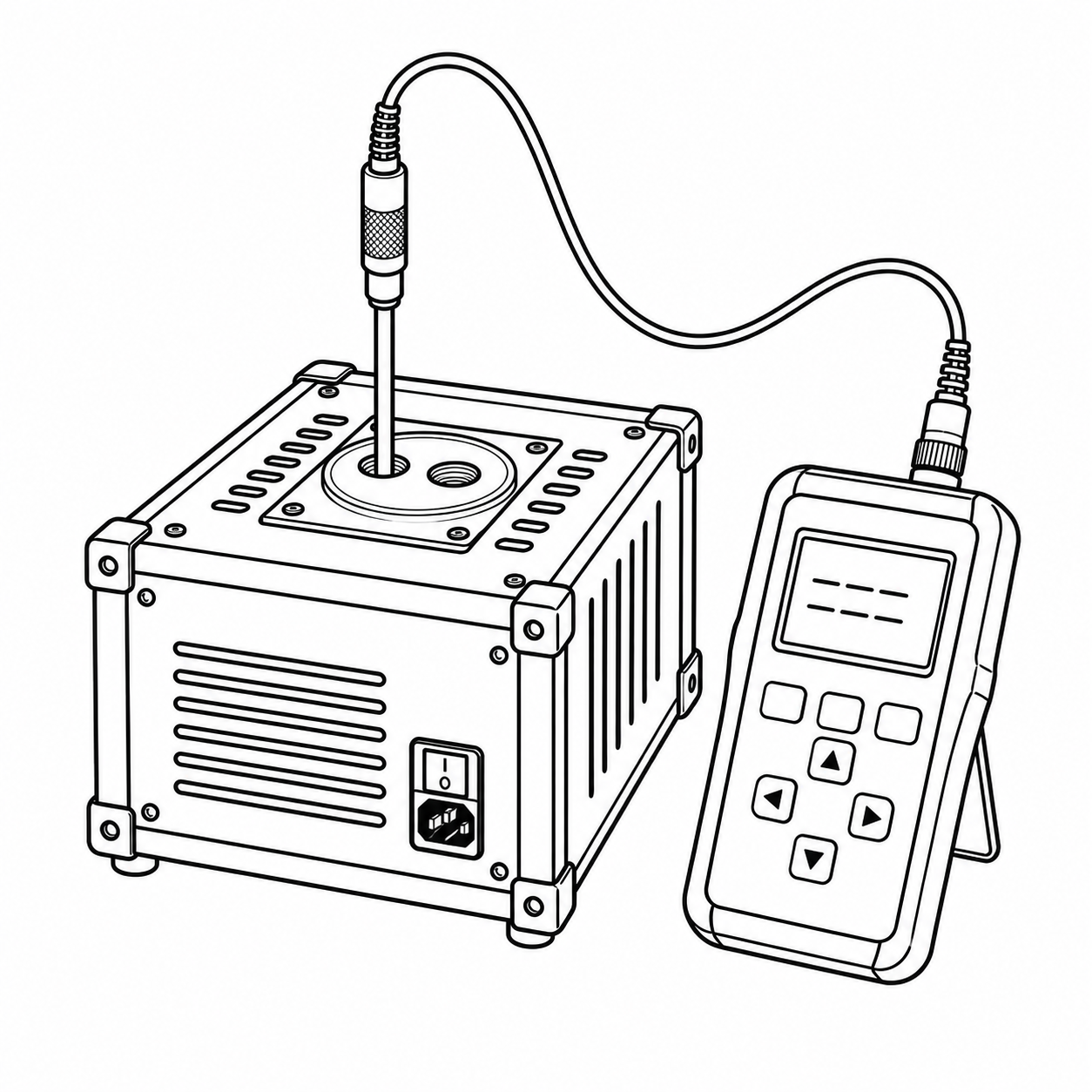
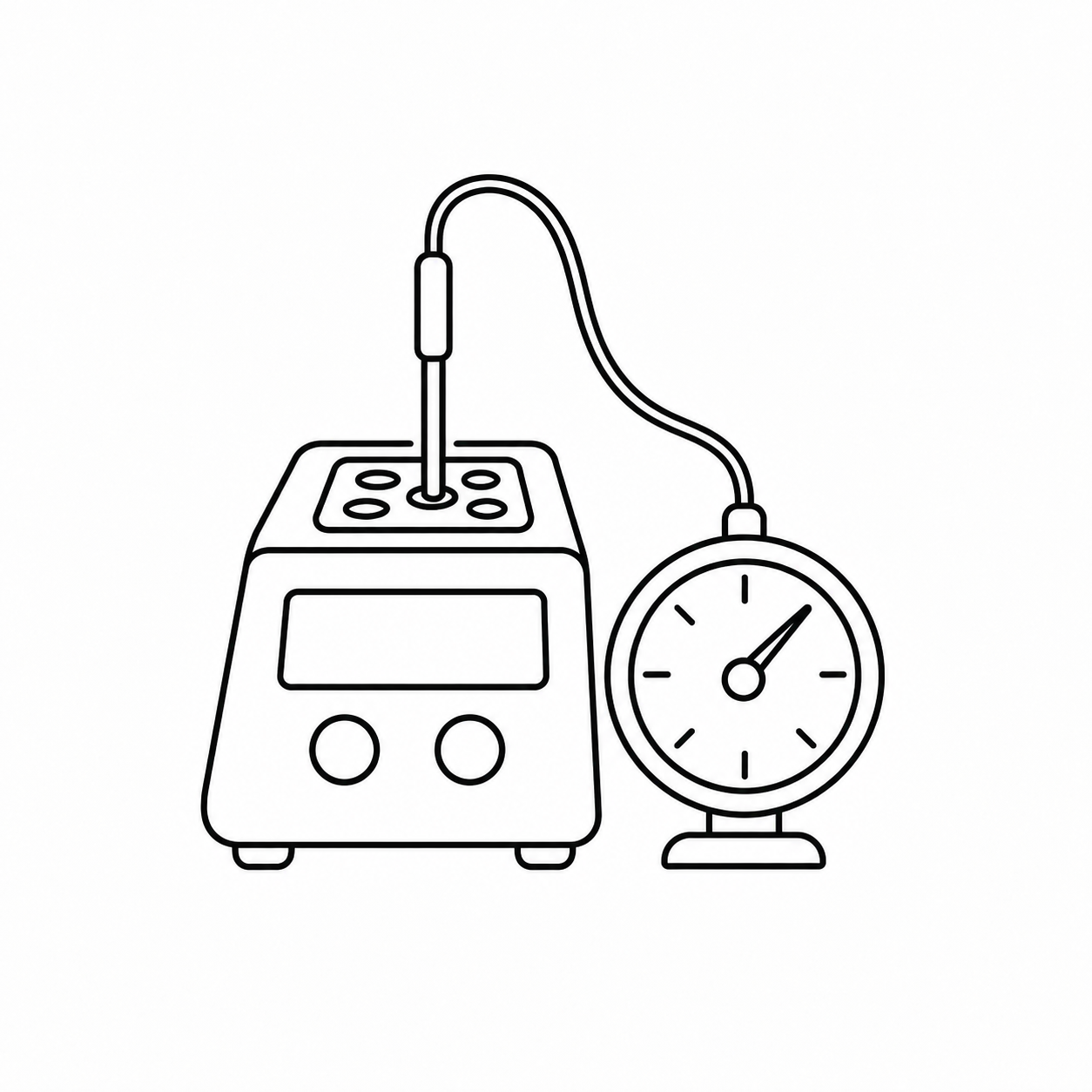
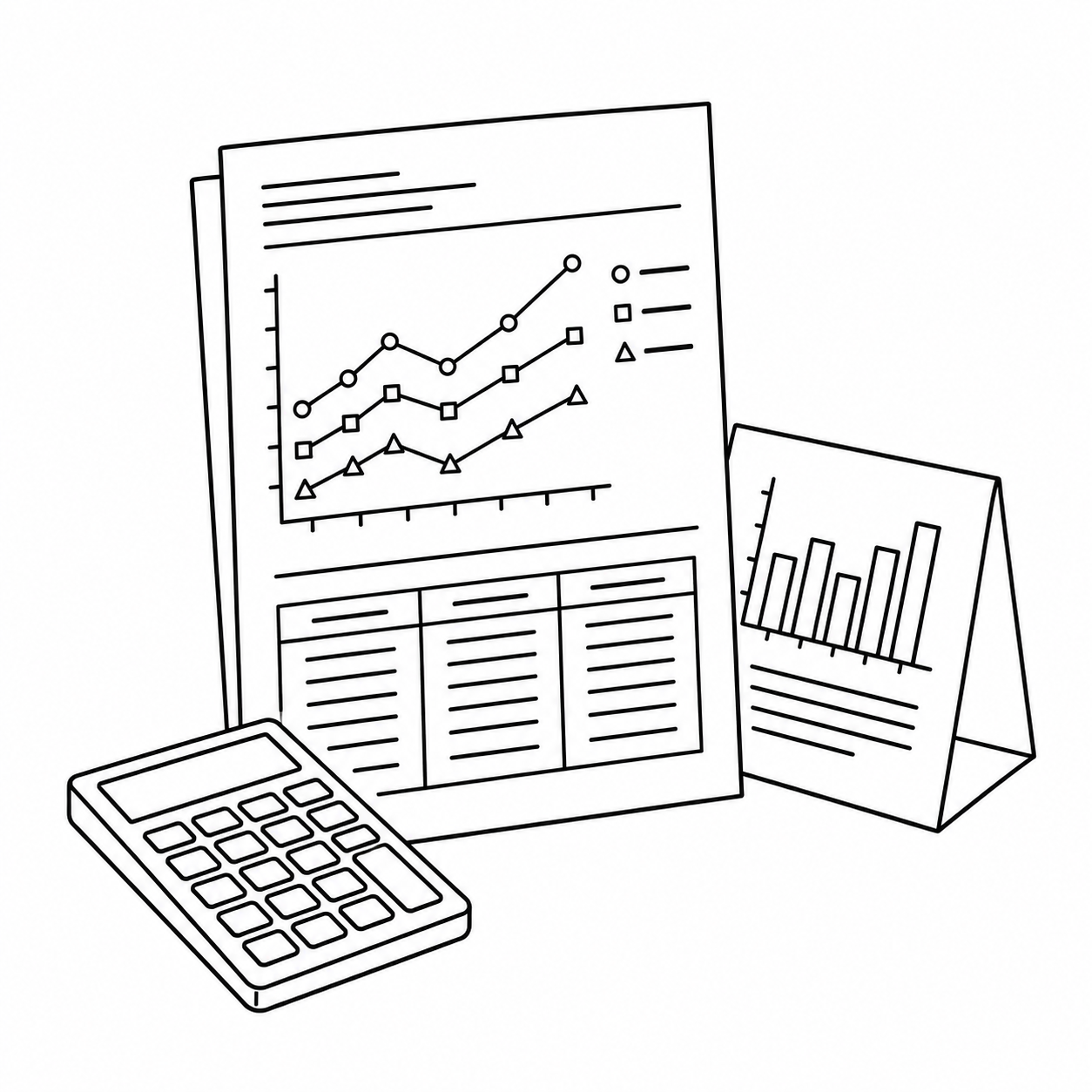
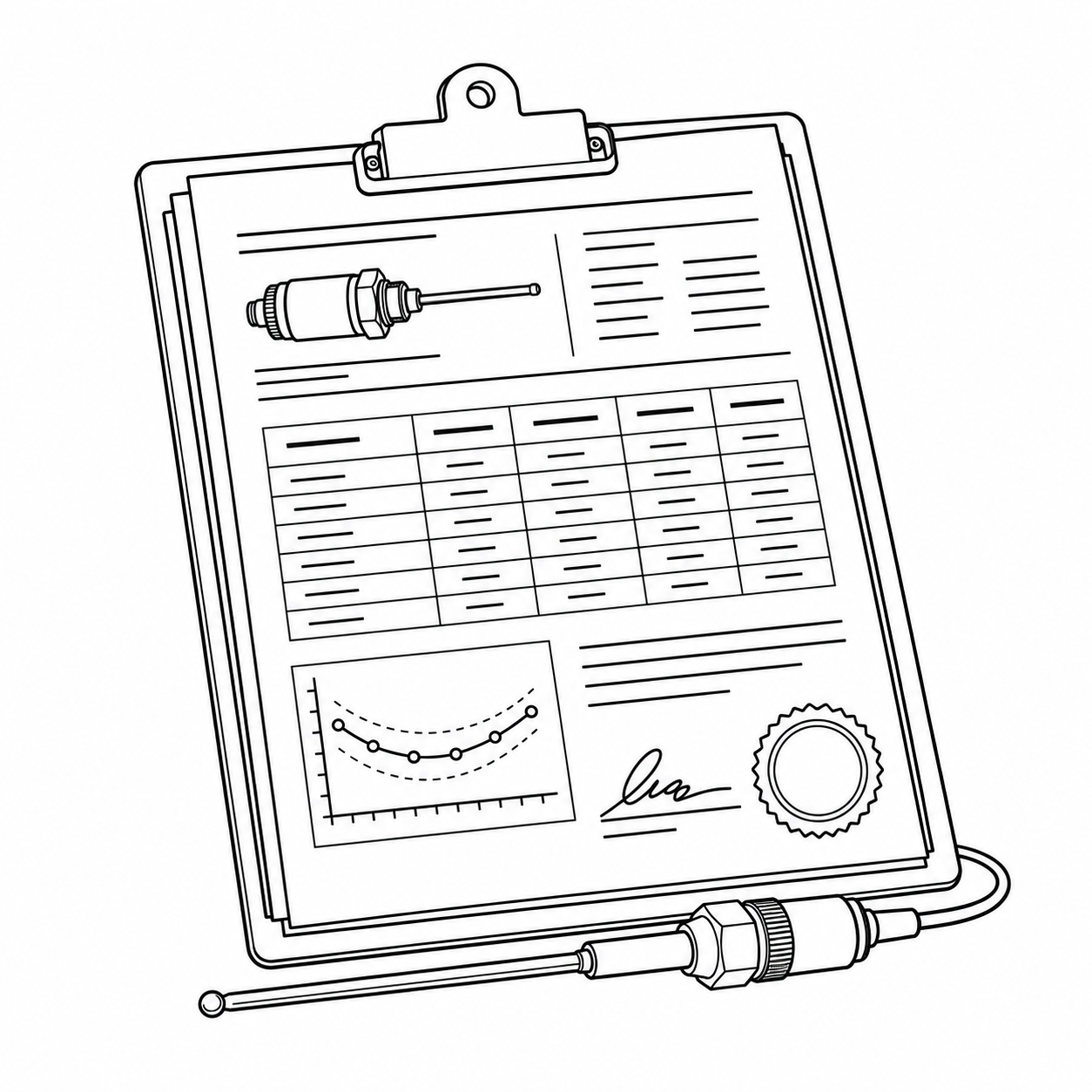
What should you look for in a mapping report?
The report should connect data to where and under which conditions it was collected. Review the layout and logger identities, measurement period and operating events, data and deviations, then conclusions against agreed criteria.
What happens after the findings?
Findings can support ongoing monitoring locations, storage layout review and follow-up actions. After a significant change to the space or its operation, assess whether the measured picture still represents use.
Explore ENDISENSE monitoringBefore the service
- Layout or dimensions, photographs and positions of shelves, openings and cooling equipment.
- Intended use, contents, required range and acceptance criteria.
- Operating hours, door activity, loads and relevant scenarios.
- Previous reports and subsequent changes, plus site access and safety constraints.
Useful questions
How does mapping differ from validation?
Mapping describes the distribution of measured conditions. Validation assesses suitability for intended use and defined requirements and may include mapping within a broader plan. A mapping report alone is not necessarily complete validation; define the objective and deliverables first.
When should remapping be considered?
Changes to the structure, cooling equipment, shelving, load or operation may change distribution. Review the need based on the change, risk and applicable requirements; no one frequency suits every space.
Explore the topic
Further technical reading: WHO · Temperature mapping
To match the service to your needs
Send the equipment or space type, its use and the requirement you need to assess. The laboratory will review suitability and agree the work scope, deliverables and arrangements before starting.
Measurement ranges, test points, method and applicable approval scope are reviewed for each enquiry. The agreed quotation and laboratory arrangements define the service.