
What does Israeli Standard 1291 cover?
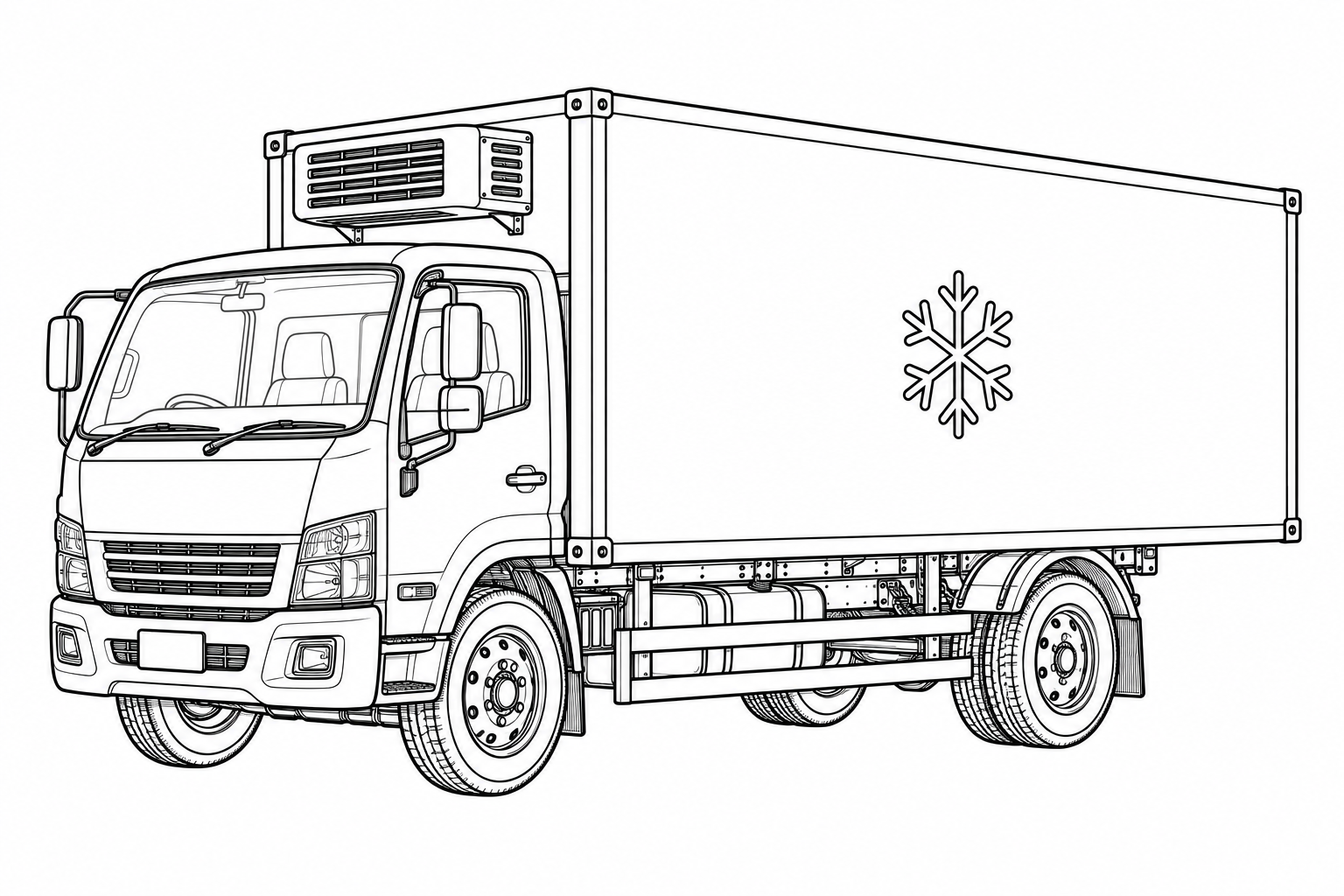
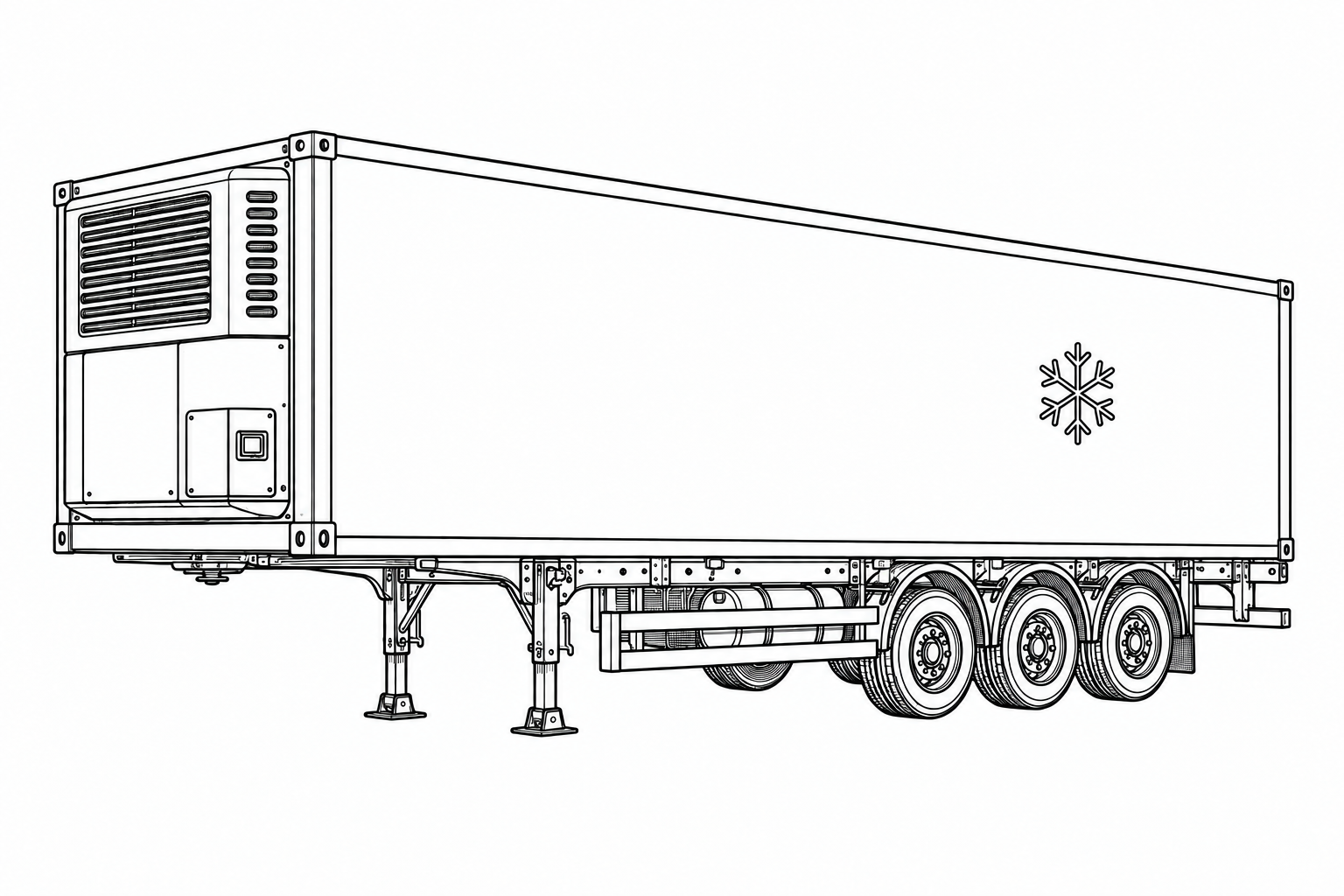
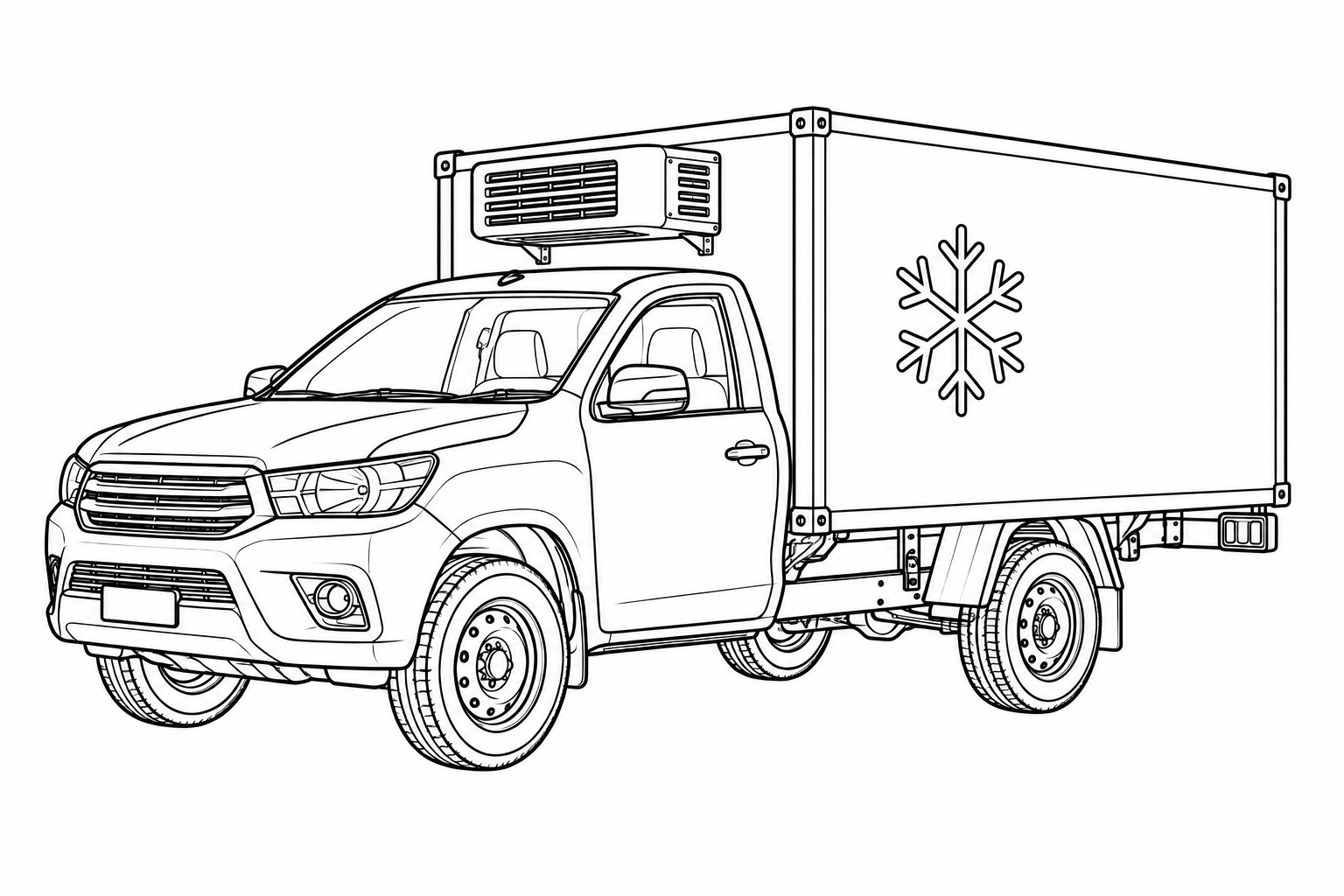
According to the official Standards Institution of Israel page, SI 1291 applies to vehicles intended to transport food products under controlled-temperature conditions. Its stated scope includes the vehicle chassis, body and the temperature-control, recording and indication system installed in the body. The standard does not apply to vehicles used for delivering food to customers’ homes.
The edition shown by the Standards Institution was published in November 2022 and has official status. Binding decisions should always be based on the full current standard and on the requirements applicable to the specific vehicle and operation.
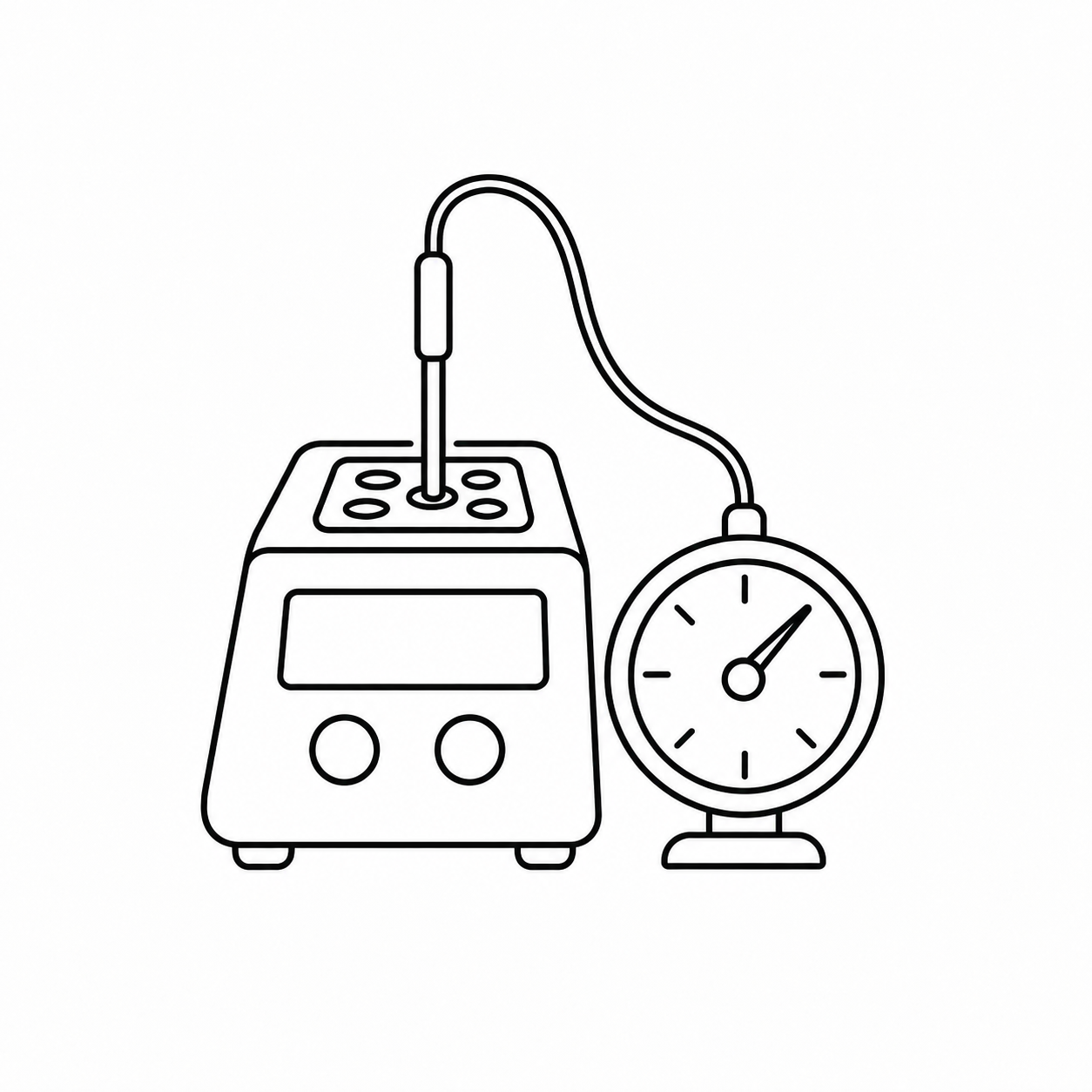
What happens during calibration?
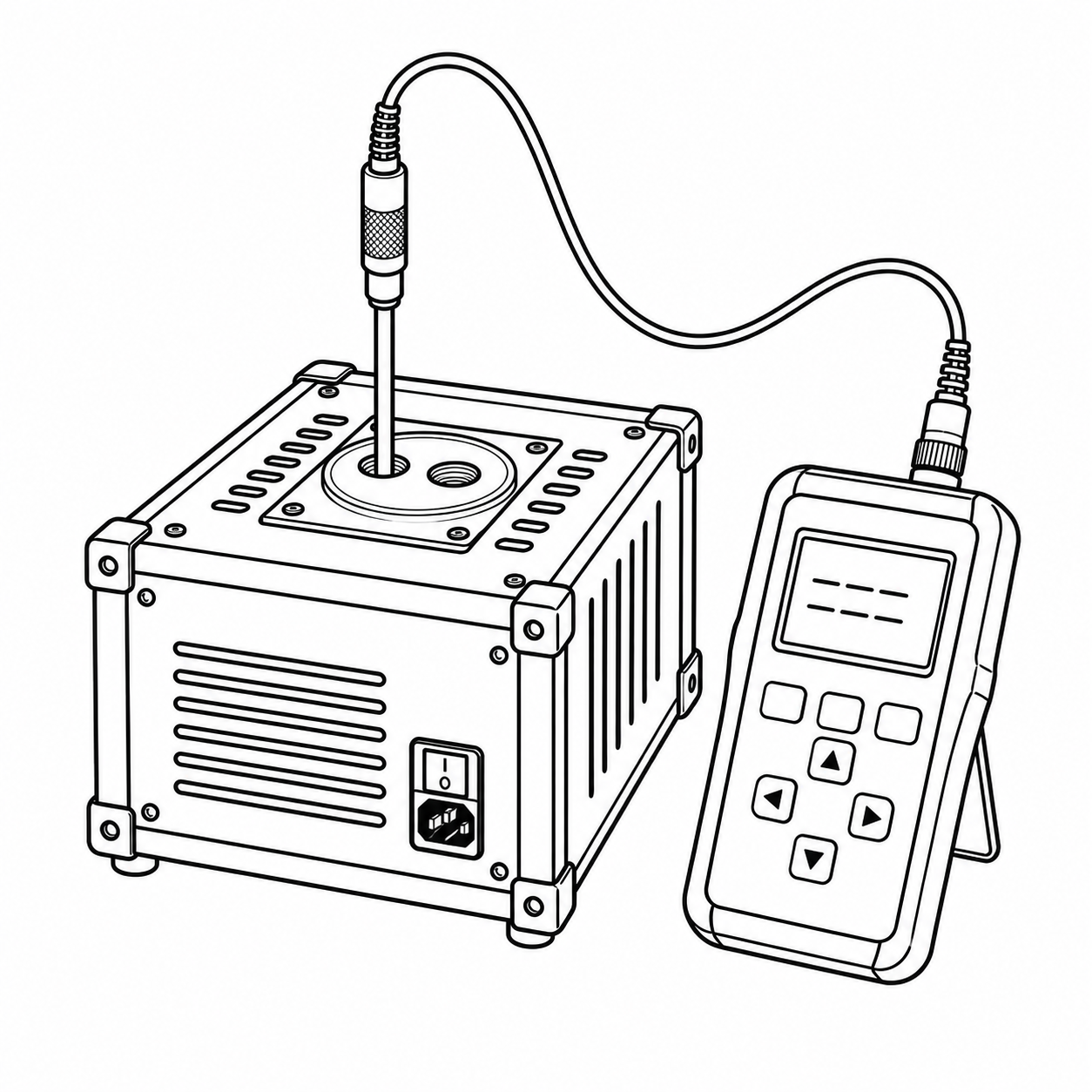
The scope depends on the installed system, number of sensors, display and recording arrangement, and the service agreed in advance. A typical process includes:
- Identifying the vehicle, logger, display and relevant sensors.
- Confirming that the system operates and that readings or stored data can be accessed.
- Comparing the installed system with suitable reference equipment.
- Recording the results according to the agreed test scope.
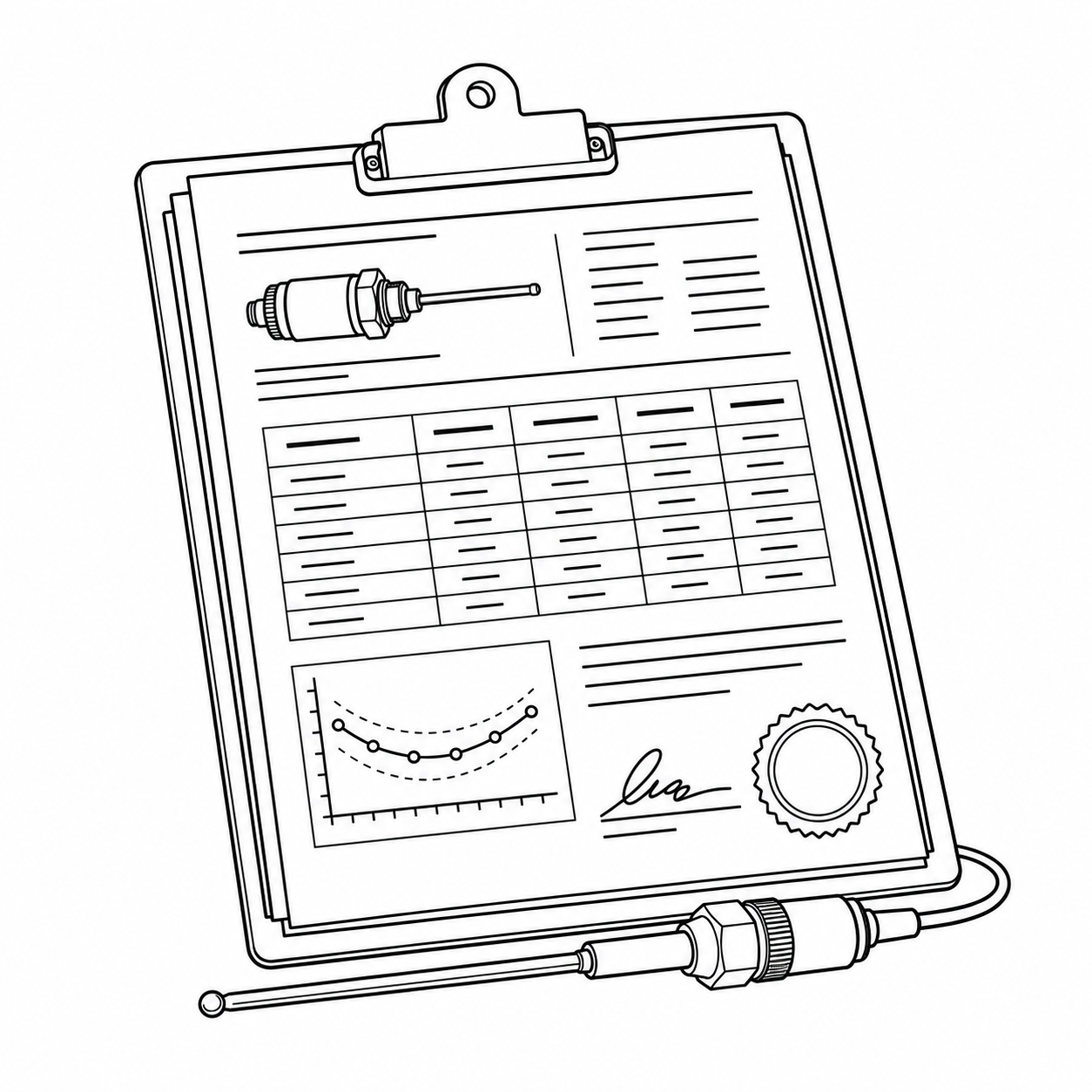
- Issuing calibration documentation identifying the tested items, conditions and relevant results.
Calibration does not necessarily change an instrument’s reading. When a deviation is found, the next action depends on the system and whether adjustment, repair or replacement is possible. Calibration establishes and documents measurement performance; adjustment and repair are separate activities.
Preparing the vehicle
- Make the vehicle safely accessible at the scheduled time.
- Operate the measurement system and logger according to the coordination instructions.
- Confirm that the display, sensors and power supply work.
- Provide available vehicle and measurement-system identification details.
- Bring the previous calibration certificate or service record when available.
- Ensure that test points can be accessed without dismantling outside the calibration scope.
- Report non-responsive sensors, system alarms or data-access problems before arrival.
If the measurement system is not operational or its data cannot be accessed, calibration may have to wait until the fault has been corrected.
Calibration and continuous monitoring work together
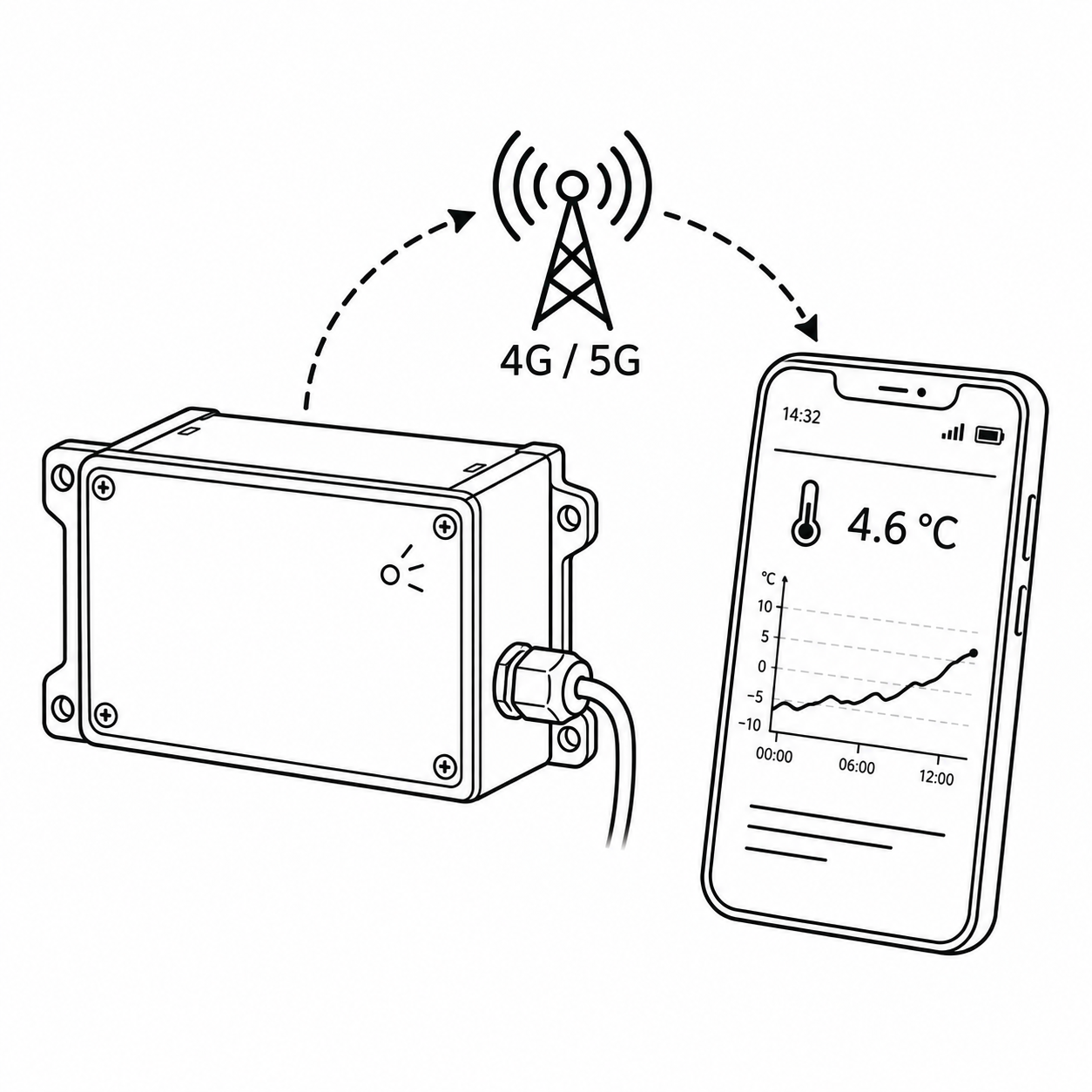
A vehicle system may include sensors, a driver display, a logger and a connected cloud platform. Calibration provides evidence about measurement performance at the time of testing. Continuous monitoring provides the operational record throughout the journey. One does not replace the other.
ENDISENSE provides a temperature-monitoring and logging solution for refrigerated vehicles, including history, alerts and remote data access. Suitability for a particular vehicle and SI 1291 application is confirmed after professional system specification.
Need a monitoring system? ENDISENSE refrigerated-vehicle logger.
Need calibration? ENDI Laboratory refrigerated-vehicle calibration.
Professional note
This article provides general information and does not replace the full standard, applicable legislation, manufacturer instructions or a professional assessment of the specific vehicle and system.